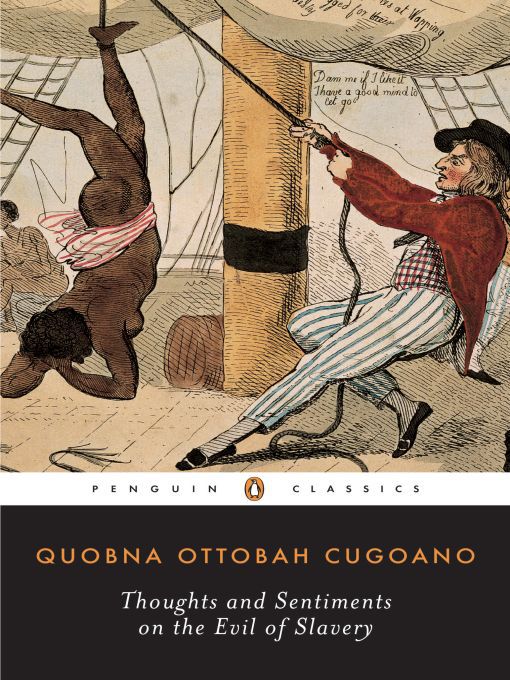
Born in present-day Ghana, Quobna Ottobah Cugoano was kidnapped at the age of thirteen and sold into slavery by his fellow Africans in 1770; he worked in the brutal plantation chain gangs of the West Indies before being freed in England. His Thoughts and Sentiments on the Evil of Slavery is the most direct criticism of slavery by a writer of African descent. Cugoano refutes pro-slavery arguments of the day, including slavery's supposed divine sanction; the belief that Africans gladly sold their own families into slavery; that Africans were especially suited to its rigors; and that West Indian slaves led better lives than European serfs. Exploiting his dual identity as both an African and a British citizen, Cugoano daringly asserted that all those under slavery's yoke had a moral obligation to rebel, while at the same time he appealed to white England's better self.
For more than seventy years, Penguin has been the leading publisher of classic literature in the English-speaking world. With more than 1,700 titles, Penguin Classics represents a global bookshelf of the best works throughout history and across genres and disciplines. Readers trust the series to provide authoritative texts enhanced by introductions and notes by distinguished scholars and contemporary authors, as well as up-to-date translations by award-winning translators.
-
Creators
-
Publisher
-
Release date
February 1, 1999 -
Formats
-
Kindle Book
-
OverDrive Read
- ISBN: 9781101177105
-
EPUB ebook
- ISBN: 9781101177105
- File size: 1376 KB
-
-
Accessibility
-
Languages
- English
Formats
- Kindle Book
- OverDrive Read
- EPUB ebook
Languages
- English
Why is availability limited?
×Availability can change throughout the month based on the library's budget. You can still place a hold on the title, and your hold will be automatically filled as soon as the title is available again.
The Kindle Book format for this title is not supported on:
×Read-along ebook
×The OverDrive Read format of this ebook has professional narration that plays while you read in your browser. Learn more here.